
The best enclosed 3D printers for ABS, ASA and nylon pair stable chamber conditions with hotend, nozzle and airflow hardware that match the exact filament profile. This guide compares the five models, explains passive and active heat, reviews each printer, defines the material workflow, and ends with a use-case decision.
Enclosed 3D printer comparison
The enclosed 3D printer comparison separates build volume, chamber heating, nozzle temperature and filtration because each attribute changes material suitability.
| Feature / Model | Bambu Lab P1S | QIDI Q1 Pro | Creality K1C | Creality K2 Plus Combo | Flashforge Adventurer 5M Pro |
|---|---|---|---|---|---|
| Build volume | 256 x 256 x 256 mm | 250 x 250 x 250 mm | 220 x 220 x 250 mm | 350 x 350 x 350 mm | 220 x 220 x 220 mm |
| Chamber heating | Passive | Active PTC, up to 60°C | Passive | Active PTC, up to 60°C | Passive |
| Listed maximum nozzle temperature | 300°C | 350°C | 300°C | 350°C | 280°C |
| Stock abrasion focus | Upgrade required for composites | Hardened bimetal nozzle | Hardened Unicorn nozzle | Hardened steel nozzle | Confirm nozzle option for the filament |
| Filtration | Activated carbon | Activated carbon | Activated carbon | Dual active air filter | HEPA13 plus activated carbon |
| Main use case | General enclosed printing | Regulated chamber heat | Abrasive composites | Large parts and multiple materials | Contained office or classroom workflow |
| Amazon price | |Check Price on Amazon | |Check Price on Amazon | |Check Price on Amazon | |Check Price on Amazon | |Check Price on Amazon |
The table lists machine capabilities, not guaranteed results. The printer manual and the exact filament data sheet control compatible temperatures, nozzle materials, drying conditions and ventilation requirements.
Why chamber control matters for ABS, ASA and nylon
Chamber control matters because ABS, ASA and nylon parts can warp or split when layers cool unevenly during printing.
An enclosure blocks room drafts and retains process heat. A passive chamber depends on heat from the bed and hotend, so its temperature varies with the room, bed setting, part geometry and airflow. An active chamber adds a regulated heater and circulation, which is relevant when the selected material profile specifies a controlled chamber temperature.
Chamber heat does not solve moisture, bed contamination, unsuitable nozzle material or poor ventilation. Use a proper enclosure made for the printer. A cardboard box or improvised plastic cover can obstruct cooling, expose electronics to unapproved temperatures and add combustible material near heaters.
The five enclosed 3D printers
The five enclosed 3D printers cover general use, active heating, abrasive composites, large-format work and contained shared-space operation.
1. Bambu Lab P1S for general enclosed printing
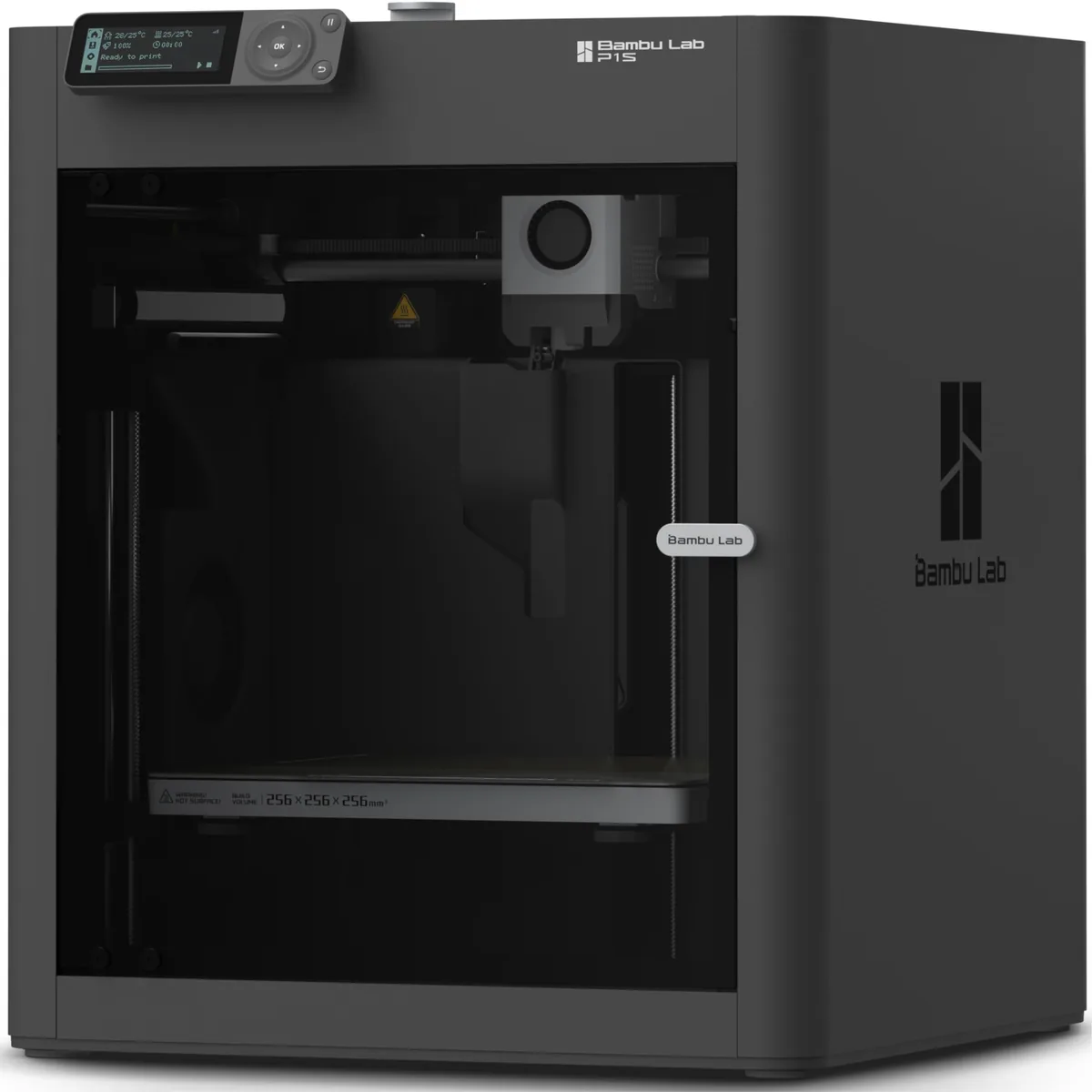
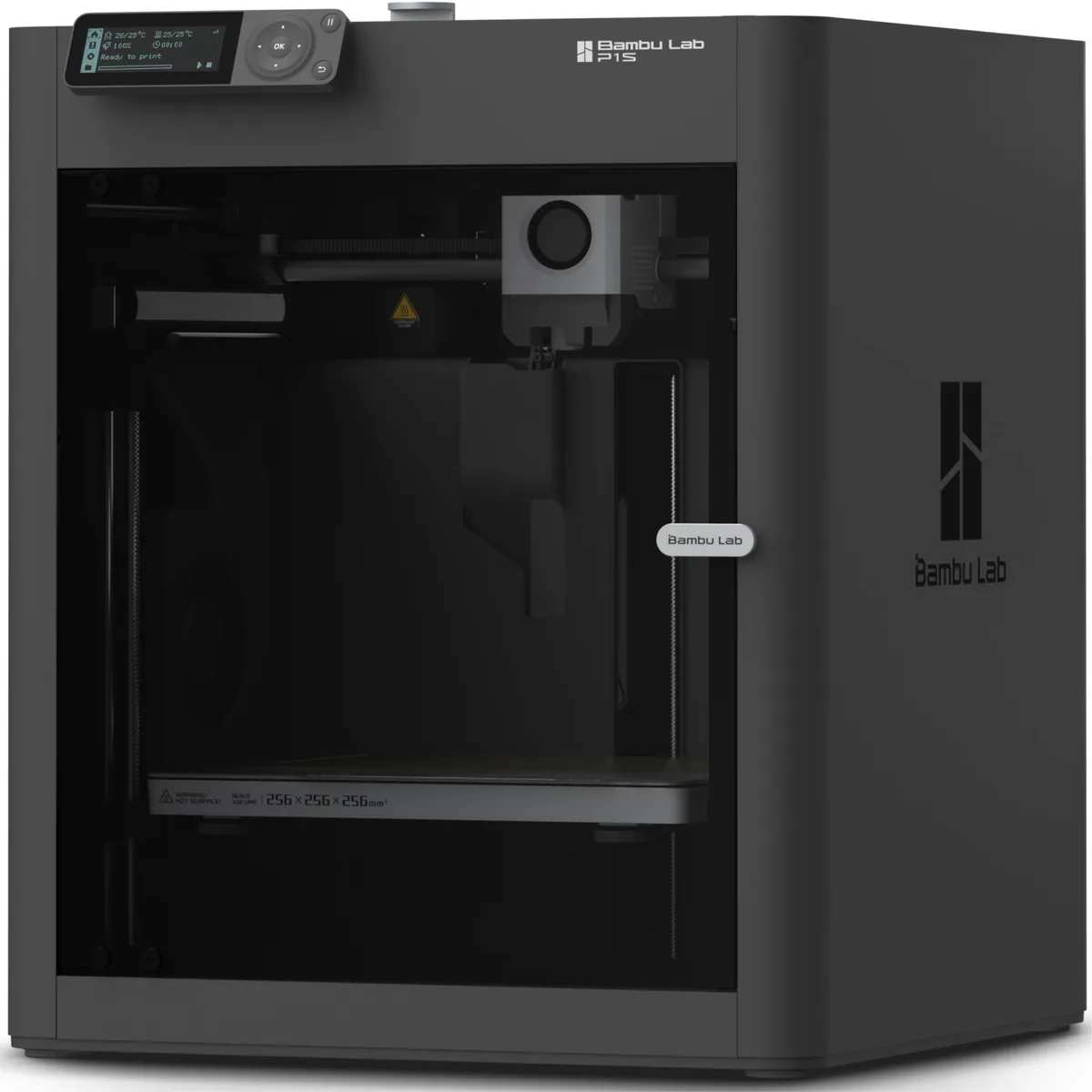
The Bambu Lab P1S is the general-purpose enclosed CoreXY option in this group, with a 256 x 256 x 256 mm build volume and a passively heated chamber.
Bambu Lab P1S Enclosed 3D Printer
Pros
- Fully enclosed CoreXY chassis with auxiliary cooling fan
- Seamless multi-color / multi-material integration with Bambu AMS
- Reliable out-of-the-box first layers with dual automated bed leveling
- Active vibration compensation and belt tension monitoring
Cons
- Proprietary closed ecosystem
- Chamber is passively heated by the bed rather than a dedicated PTC heater
- Upgrading to hardened nozzle for carbon fiber requires separate swap
The P1S fits a buyer who wants an integrated enclosure, automatic calibration features and optional AMS support. Check the selected filament against the stock hotend and nozzle before using abrasive nylon or carbon-fiber blends.
Buy the Bambu Lab P1S on Amazon
2. QIDI Q1 Pro for active chamber heat
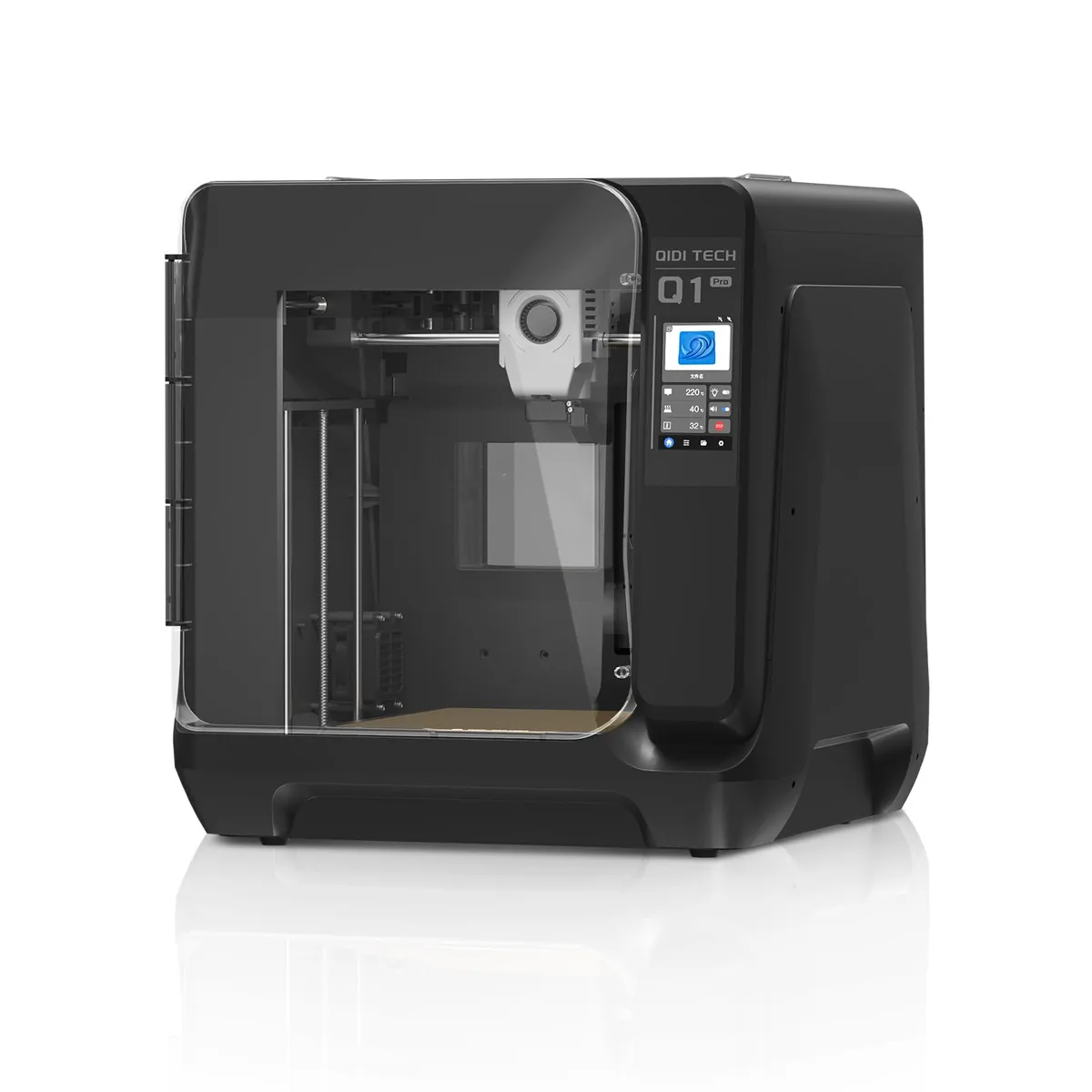
The QIDI Q1 Pro is the active-heated option for material profiles that require controlled chamber air up to the manufacturer’s listed 60°C limit.
QIDI Q1 Pro High-Temp 3D Printer
Pros
- Dedicated 60°C active PTC chamber heating element eliminates warping on ABS/ASA/Nylon
- High-temp bimetal nozzle rated up to 350°C for engineering plastics
- Dual independent Z-axis motors with automated bed tilt compensation
- Dual filament tangle and runout sensors with integrated chamber camera
Cons
- Industrial aesthetics with a bulkier footprint
- QIDI Studio slicer is less beginner-friendly than Bambu Studio
The Q1 Pro lists a 350°C hotend and a 250 x 250 x 250 mm build volume. Those limits expand the set of possible profiles, but the exact spool still defines the permitted nozzle, bed, chamber and drying values.
3. Creality K1C for abrasive composites
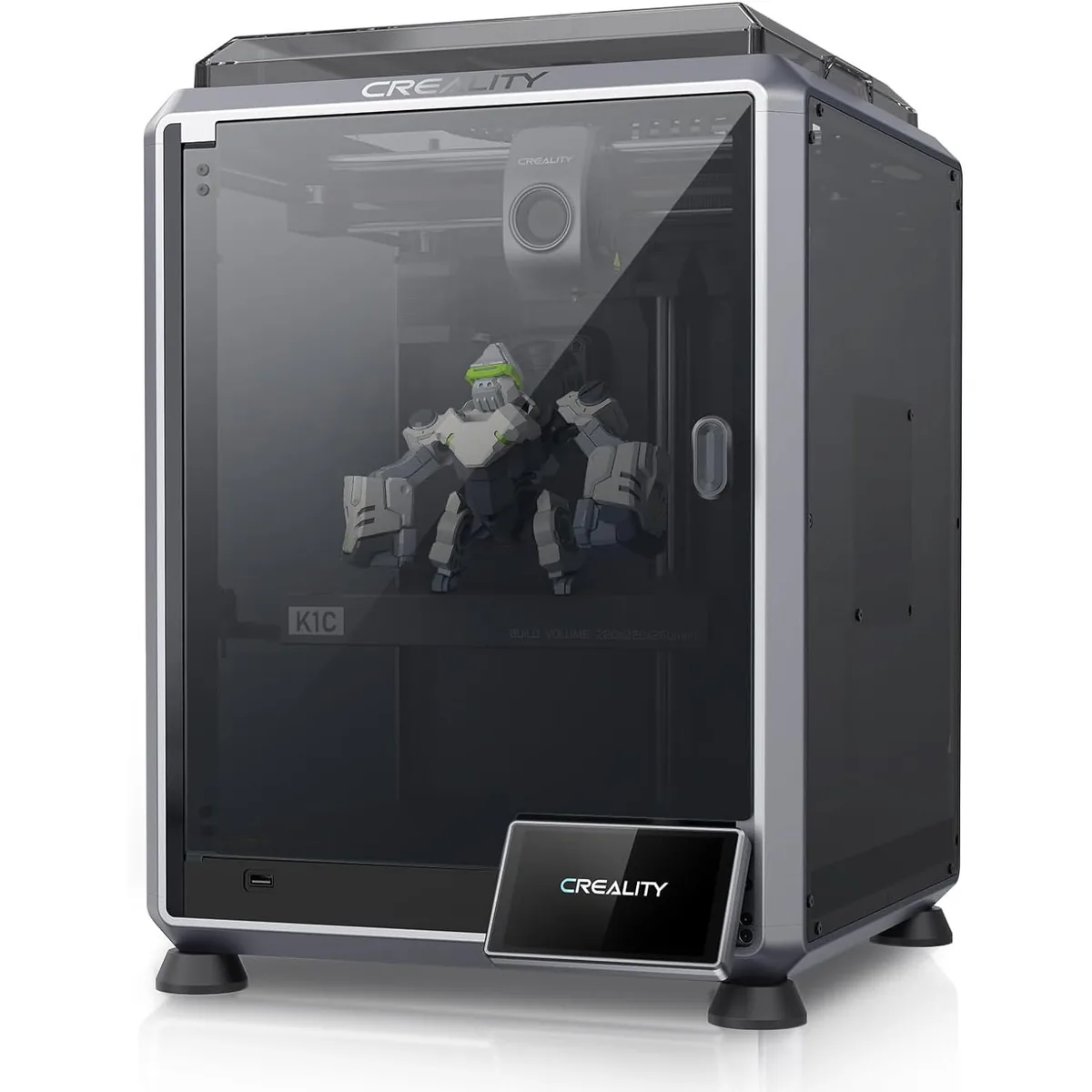
The Creality K1C is the composite-focused option because Creality lists a hardened Unicorn nozzle and an all-metal direct-drive extrusion system.
Creality K1C Carbon Fiber 3D Printer
Pros
- Hardened steel tri-metal “Unicorn” nozzle handles abrasive PA-CF and PET-CF without wear
- Integrated AI camera provides automated spaghetti failure detection and time-lapses
- 600mm/s CoreXY speed with 20
- 000mm/s² acceleration
- Open-source Klipper-based Creality OS allows custom macros and root access
Cons
- Build volume (220x220x250mm) is slightly smaller than Bambu P1S
- Passive chamber relies on bed heat to reach ~48°C
The K1C has a smaller listed build volume than the P1S and Q1 Pro. Its hardened nozzle is relevant to abrasive material, while the passive chamber remains a separate limitation for profiles that need regulated chamber heat. The Best CoreXY 3D Printers Under $600: Top Three Choices guide compares other machines in this format.
Buy the Creality K1C on Amazon
4. Creality K2 Plus Combo for large parts
The Creality K2 Plus Combo is the large-format choice because Creality lists a 350 x 350 x 350 mm build volume and active chamber heating up to 60°C.
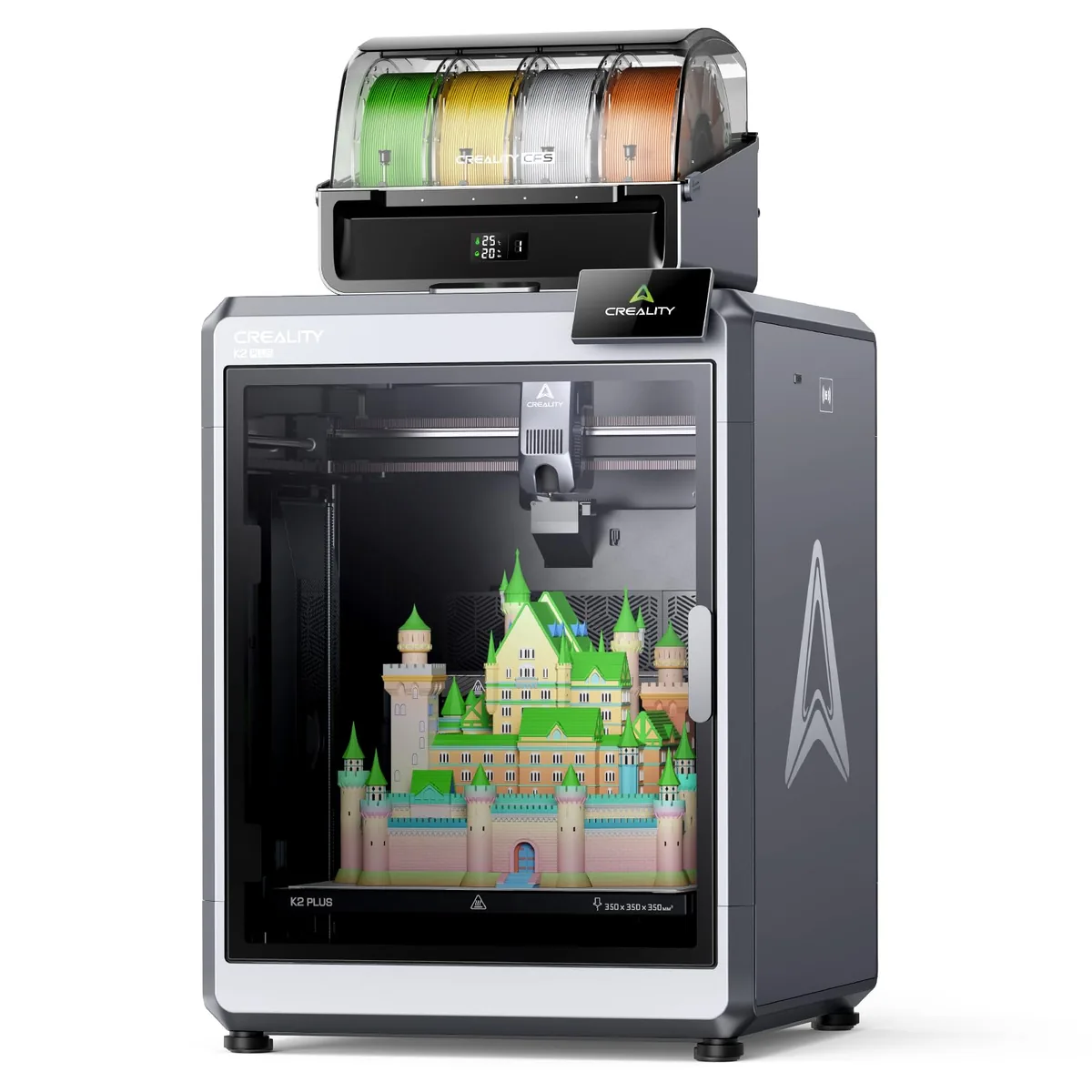
Creality K2 Plus Combo 3D Printer with CFS
Pros
- Massive 350x350x350mm build envelope easily fits full-scale functional prototypes and automotive parts
- Built-in 60°C active chamber heating and 350°C hardened hotend
- Creality Filament System (CFS) supports up to 16-color / multi-material printing
- Heavy-duty die-cast aluminum frame with FOC closed-loop servo motors
Cons
- Substantial benchtop footprint (demands sturdy dedicated table space)
- Premium price point
Large parts accumulate more shrinkage stress along long edges, so active heat and build volume must be considered together. The K2 Plus also needs enough bench capacity, service clearance and airflow space for the complete printer and CFS footprint.
Buy the Creality K2 Plus Combo on Amazon
5. Flashforge Adventurer 5M Pro for contained shared spaces
The Flashforge Adventurer 5M Pro is the shared-space option because Flashforge lists a fully enclosed build area, quick-swap nozzle system and combined HEPA13 and activated-carbon filtration.
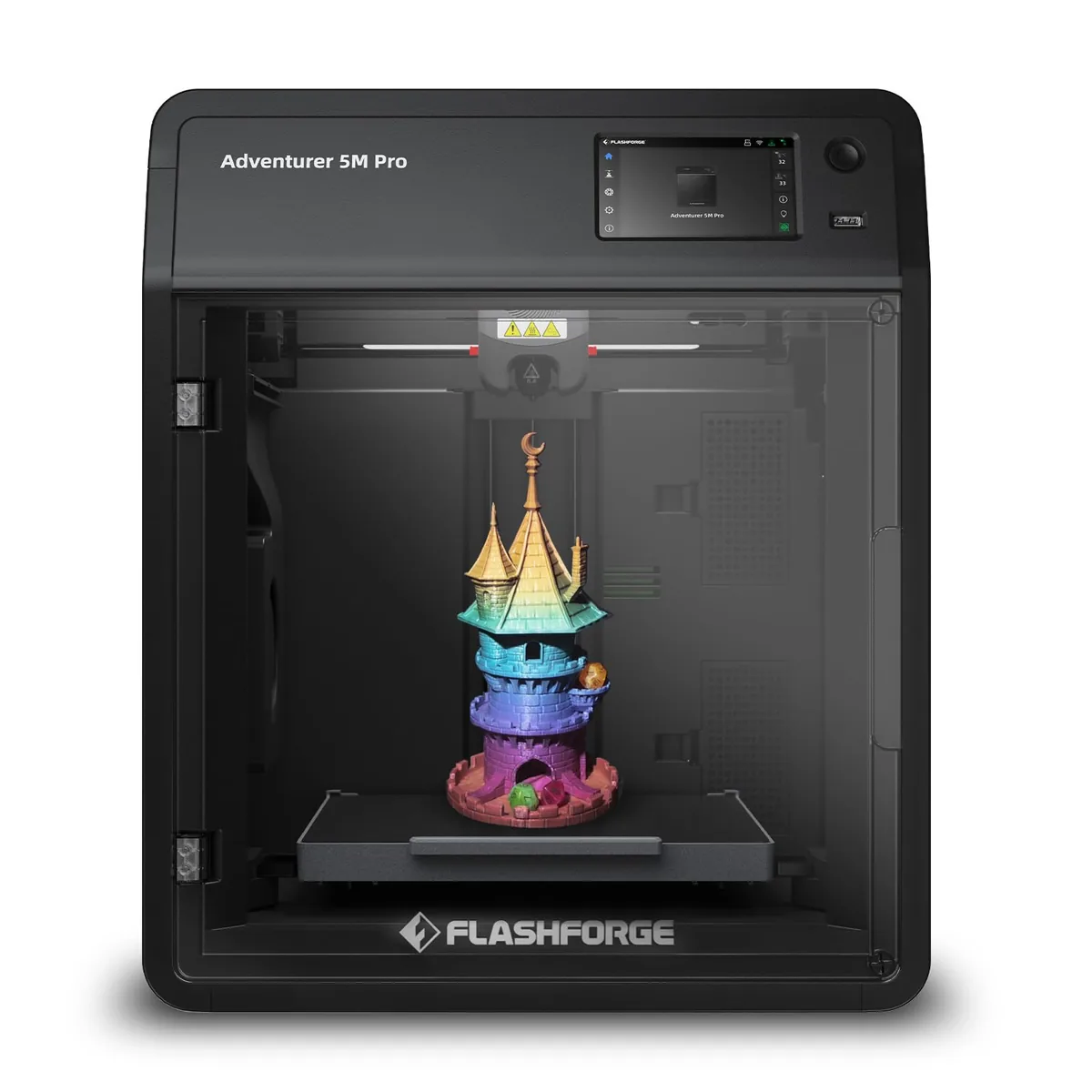
Flashforge Adventurer 5M Pro 3D Printer
Pros
- Dual-channel air filtration (internal recirculation + external exhaust) effectively traps styrene fumes
- Ultra-quiet 50 dBA silent printing mode perfect for bedrooms or classrooms
- Quick-swap nozzle mechanism allows 3-second toolless hotend changes
- Fully automated 1-click calibration with zero manual Z-offset tuning required
Cons
- 280°C max nozzle temp is not designed for ultra-high-temp PEEK or PEKK
- Build volume is 220mm cubic
The 280°C listed nozzle ceiling is lower than the other four machines in this comparison. Confirm that ceiling, the installed nozzle and the exact spool profile before treating the 5M Pro as a nylon or composite printer.
Material and workspace checklist
The material and workspace checklist verifies the complete process before a buyer compares maximum speed.
- Read the exact filament data sheet for nozzle, bed, chamber, fan, drying and storage instructions.
- Confirm the printer’s hotend temperature and installed nozzle material support those instructions.
- Check whether passive enclosure heat is sufficient or a regulated active chamber is required.
- Plan containment, filter replacement and outside exhaust according to the printer, material and room use.
- Verify build volume after accounting for brims, supports and safe clearance around the part.
- Start with the manufacturer profile and change one setting at a time after a successful baseline print.
Nylon moisture control deserves separate attention. Feed conditioned nylon from storage that follows its maker’s requirements. The Best Filament Dryers: Material, Temperature and Spool Capacity guide lists dryer temperature limits and capacities, but the spool maker still controls the drying condition.
Starting settings come from the exact spool
Starting settings come from the exact spool because ABS, ASA and nylon formulations do not share one universal temperature or fan profile.
| Setting | Required source | Verification point |
|---|---|---|
| Nozzle temperature | Filament profile and printer limit | The profile stays within the installed hotend and nozzle rating |
| Bed temperature | Filament profile and surface manual | The build surface and any adhesive are approved |
| Chamber temperature | Filament profile and printer manual | Passive or active heat matches the documented requirement |
| Part cooling | Filament profile | Cooling does not create an unapproved thermal gradient |
| Print speed | Printer and material profiles | Volumetric flow stays within the documented system limit |
| Drying | Filament and dryer manuals | Temperature, time and spool material are compatible |
The PLA, PETG and ABS guide explains why material choice must come before copying a slicer preset. The troubleshooting and maintenance section covers adhesion, extrusion and motion faults that enclosure heat cannot correct.
Which enclosed 3D printer should you buy?
The enclosed 3D printer to buy depends on the material requirement that cannot be compromised: workflow, active heat, abrasive resistance, build volume or contained airflow. Understanding how to choose a 3D printer helps evaluate these specific requirements.
- The Bambu Lab P1S is the general-purpose enclosed option.
- The QIDI Q1 Pro is the active-heated option for supported engineering-filament profiles.
- The Creality K1C is the composite-focused option with a listed hardened nozzle.
- The Creality K2 Plus Combo is the large-format active-heated option.
- The Flashforge Adventurer 5M Pro is the contained shared-space option with listed filtration features.
The final choice returns to material fit. Select the printer whose documented chamber, hotend, nozzle, build volume and airflow controls meet the exact ABS, ASA or nylon workflow without relying on an unverified universal setting. You can also explore other 3D printer buying advice to review alternative setups.