
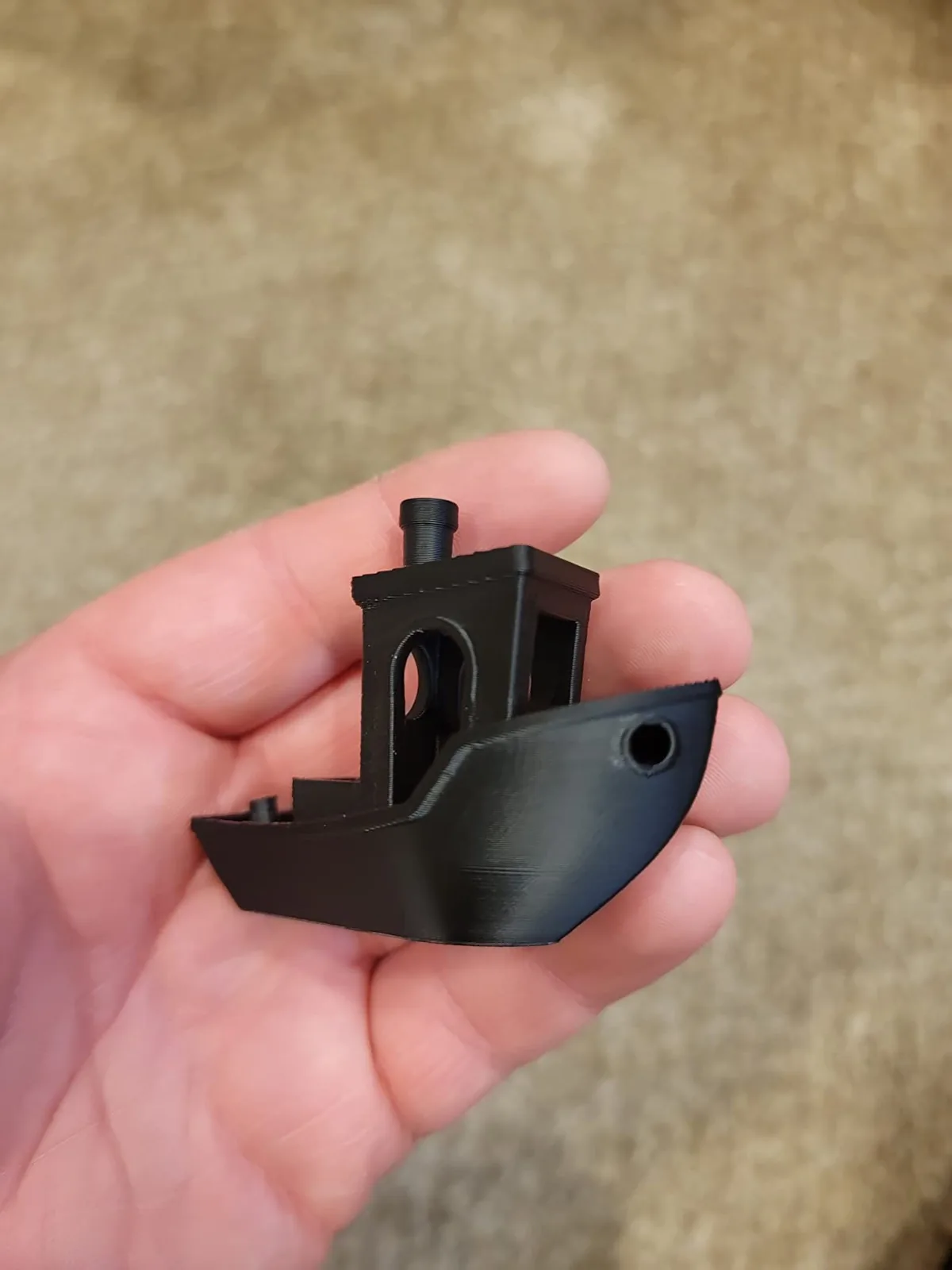
ABS is the lower-cost choice for protected indoor parts, while ASA is the better choice for sunlight and weather exposure because ASA has greater UV stability. This comparison covers the material difference, weather performance, enclosure and heat control, manufacturer settings, emissions, printer examples, and final use-case choice in that order.
ABS vs ASA at a glance
ABS and ASA are styrene-based engineering filaments with similar functional uses, but ASA is formulated for greater outdoor weather and UV resistance.
| Buying criterion | ABS | ASA |
|---|---|---|
| Best default environment | Protected indoor use | Outdoor or sun-exposed use |
| UV resistance | Lower | Higher |
| Warping risk | Significant | Significant |
| Enclosure | Recommended | Recommended, especially for large parts |
| Acetone smoothing | Supported | Supported |
| Ventilation | Required during printing | Required during printing |
| Profile source | Exact ABS spool data sheet | Exact ASA spool data sheet |
The exact mechanical result depends on filament formulation, printer, orientation, profile, environment and part geometry. Do not treat the family name alone as a certified strength or temperature rating.
Polymer structure and weather resistance
Polymer structure explains the main outdoor difference: ABS uses butadiene rubber, while ASA replaces that component with an acrylate rubber selected for weather resistance.
ABS means acrylonitrile butadiene styrene. ASA means acrylonitrile styrene acrylate. The different rubber phase changes how the polymers respond to prolonged UV and outdoor exposure.
Prusa’s ASA material guide describes ASA as suitable for outdoor technical parts because of its UV and temperature resistance. Prusa’s ABS material guide states that ABS has lower UV resistance and can become yellow and brittle outdoors over time.
Weather resistance includes more than sunlight. An outdoor part must still tolerate rain, repeated temperature changes, mechanical load and the installation environment. ASA addresses the UV portion more directly. The design still needs application-specific validation. If you are deciding between basic and engineering materials, read PLA vs ABS: Mechanical Strength and Thermal Resistance.
Enclosure and thermal control
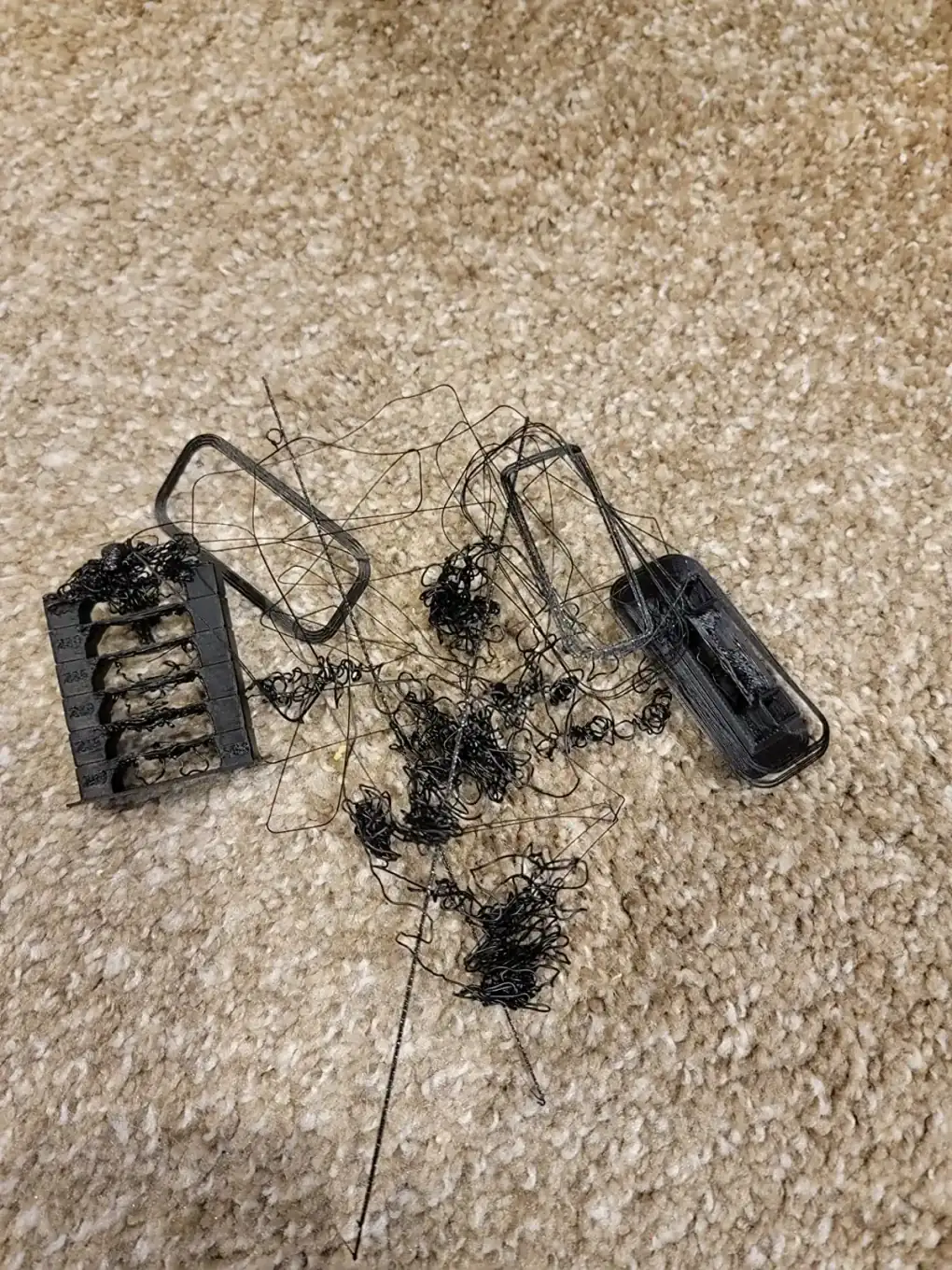
Enclosure and thermal control reduce the uneven cooling that causes corner lift and layer separation in ABS and ASA parts.
Both polymers contract after extrusion. The bottom remains near the heated build surface while upper layers cool, creating internal stress. Long edges and tall walls accumulate more stress than a small compact model.
An enclosure blocks room drafts and slows heat loss. Passive enclosures retain bed and hotend heat. Active chambers add a regulated heater and circulation system. The active and passive chamber guide explains why chamber design and temperature uniformity matter separately.
Use the exact material profile to decide whether passive heat is sufficient. A brim, rounded corners and an approved build-surface preparation can support adhesion, but these measures do not compensate for an unsuitable room or uncontrolled draft.
Manufacturer-listed starting settings
Manufacturer-listed starting settings are product-specific instructions, not values measured by this site or universal limits for every ABS and ASA spool.
Prusa lists these settings for its own materials:
| Parameter | Prusa ASA guidance | Prusa ABS guidance | Setup purpose |
|---|---|---|---|
| Nozzle temperature | 260°C | 255°C | Supports melt flow and layer bonding for the named product |
| Bed temperature | 105°C first layer, 110°C later layers | 100°C recommended, 80 to 110°C by part size | Supports first-layer grip and limits corner lift |
| Build surface | Smooth or powder-coated PEI with glue stick | Smooth or powder-coated PEI with glue stick | Follows the maker’s adhesion and release procedure |
| Enclosure | Needed for large parts | Recommended | Reduces drafts and uneven cooling |
| Ventilation | Ventilated room without a print-zone draft | Ventilated room without a print-zone draft | Manages fumes while protecting thermal stability |
Another brand’s label or technical data sheet takes priority over these examples. Pigments and modifiers can change the required temperature, cooling and flow.
Printing workflow for ABS and ASA
The ABS and ASA printing workflow controls material condition, surface preparation, profile selection, chamber stability and cooled-part inspection in that order.
- Inspect the spool label and technical data sheet for storage or drying instructions.
- Confirm the printer, hotend, nozzle and build surface support the listed temperatures.
- Clean or prepare the build surface using its approved method.
- Load the exact material profile and keep part cooling at the maker’s starting value.
- Stabilize the enclosure without creating a cold exhaust draft across the model.
- Print a representative calibration part before a large job.
- Let the finished part cool gradually before opening the enclosure or removing it.
- Measure the cooled part and adjust shrinkage or flow only after hardware and extrusion checks pass.
The calibration part should represent the real wall length, corner shape or mating feature. One small cube does not expose every large-part shrinkage problem.
Enclosed printer examples for ABS and ASA
The QIDI Q1 Pro and Bambu Lab P1S illustrate active and passive chamber approaches for supported ABS and ASA profiles. For a wider selection, explore the Best Enclosed 3D Printers for ABS, ASA and Nylon.
QIDI Q1 Pro active chamber example
The QIDI Q1 Pro lists a dedicated active chamber heater up to 60°C, which is relevant when the selected spool profile calls for regulated chamber heat.
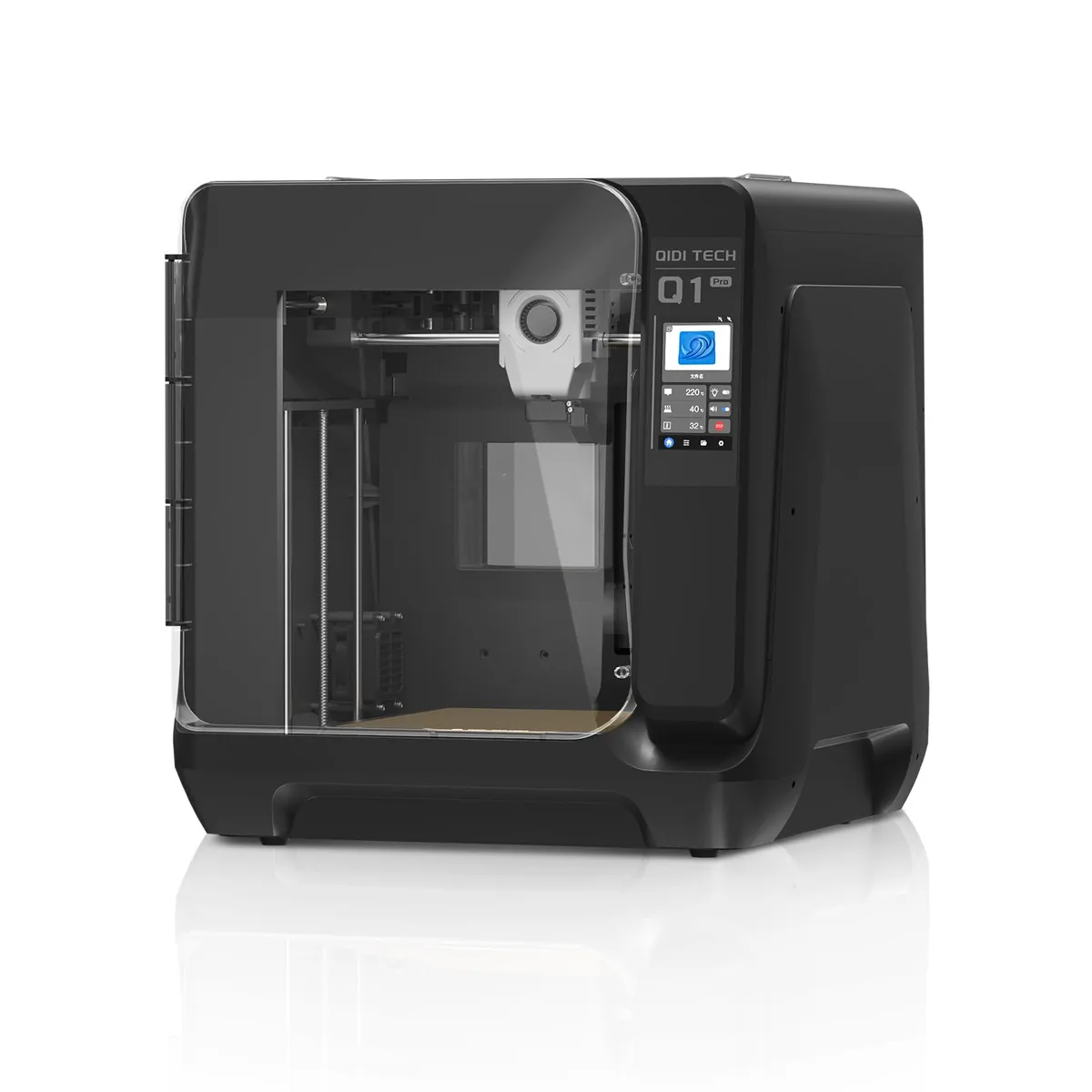
QIDI Q1 Pro High-Temp 3D Printer
Pros
- Dedicated 60°C active PTC chamber heating element eliminates warping on ABS/ASA/Nylon, High-temp bimetal nozzle rated up to 350°C for engineering plastics, Dual independent Z-axis motors with automated bed tilt compensation, Dual filament tangle and runout sensors with integrated chamber camera
- High-flow hotend and robust construction.
- Dual Z-axis with auto bed leveling.
Cons
- Industrial aesthetics with a bulkier footprint
- QIDI Studio slicer is less beginner-friendly than Bambu Studio
Bambu Lab P1S passive chamber example
The Bambu Lab P1S uses a passively heated enclosure, so chamber conditions depend on the bed, room, profile and airflow rather than a dedicated chamber setpoint.
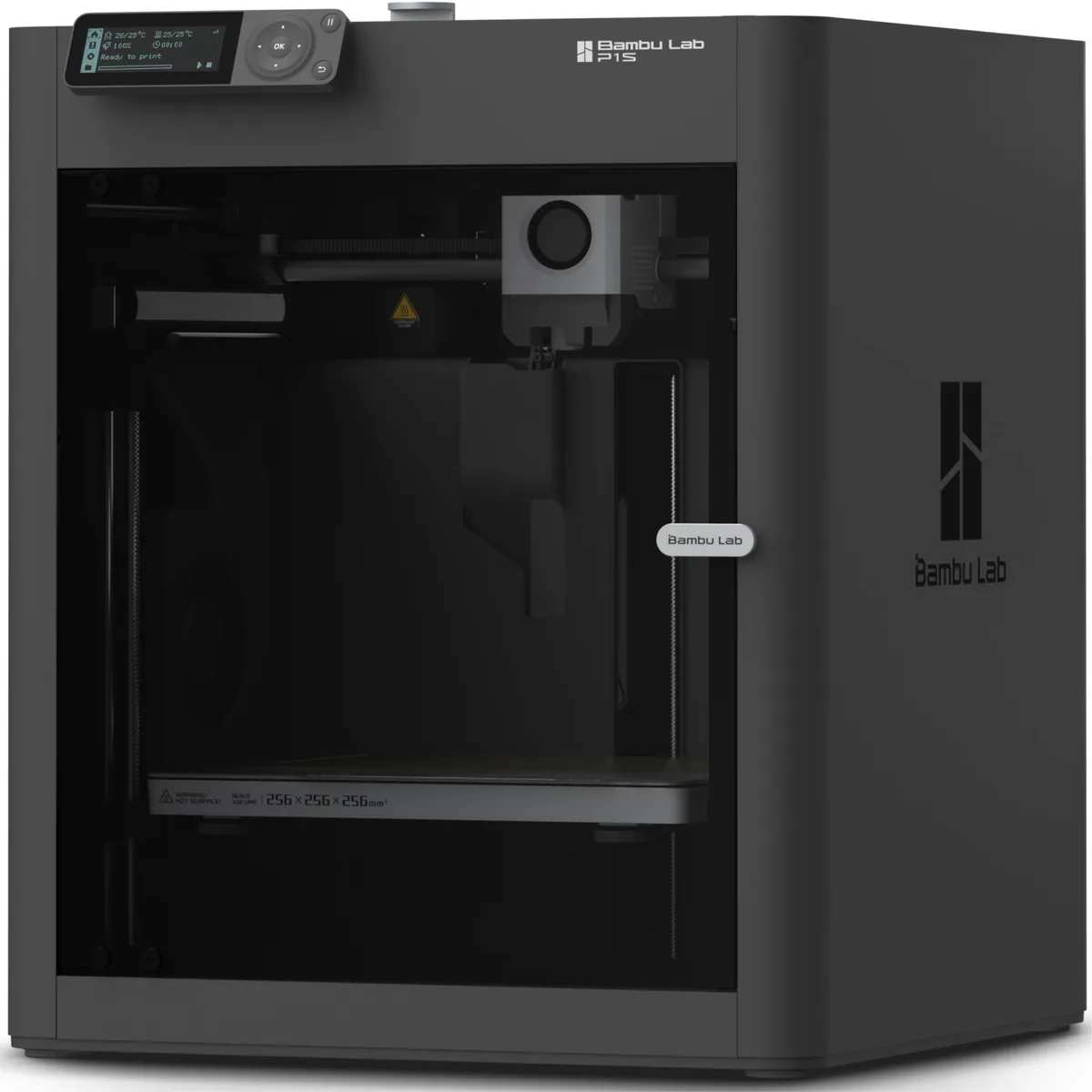
Bambu Lab P1S Enclosed 3D Printer
Pros
- Fully enclosed CoreXY chassis with auxiliary cooling fan, Smooth multi-color / multi-material integration with Bambu AMS, Reliable out-of-the-box first layers with dual automated bed leveling, Active vibration compensation and belt tension monitoring
- Fully enclosed for printing ASA and ABS.
- Optional AMS for multi-color printing.
Cons
- Proprietary closed ecosystem
- Chamber is passively heated by the bed rather than a dedicated PTC heater
- Upgrading to hardened nozzle for carbon fiber requires separate swap
Fumes, filtration and ventilation
ABS and ASA printing needs an emissions plan that contains process air without sending a cold draft across the part.
An enclosure contains process air. A particle filter and activated carbon stage recirculate air through different media. Outside exhaust removes enclosure air from the room. A built-in filter does not prove that every contaminant is removed, and odor is not a complete exposure measurement.
Keep the printer out of occupied living areas unless the enclosure and ventilation system are designed for that location. Follow the printer, filament, filter and building guidance. Replace filter media on the installed system’s schedule rather than using one universal hour count.
Should you choose ABS or ASA?
Choose ABS for protected indoor parts when its price, supply or established profile fits the project, and choose ASA when the part will face sunlight or outdoor weather.
ABS remains useful for jigs, fixtures, housings and protected technical components. ASA is the stronger default for garden fixtures, exposed mounts, vehicle trim and outdoor housings. Both materials require enclosure control, appropriate ventilation, a compatible surface and the exact spool settings. The final material decision returns to the service environment, not a claim that either polymer is universally stronger. You can find more hardware recommendations in our Enclosed 3D Printers section.